Standing Committee Agriculture 2024-2027

Committee Members
Albertina Amupolo - Namibia
Anna Giovannoni - Italy
Eliana Chiappetta - Brazil
Eusimara Ribeiro Picolo - Brazil
Geraldine Crevat - Malta
Hema Shresta- Nepal
Liis Ingalt - Estonia
Lode Saliba Raffoul -Lebanon
Mariane Reis - Brazil
Nadia Savino - Italy
Nicha Danapaiboon - Thailand
Radha Bhomi - Nepal
Sabina Valić - Croatia
2026: International Year of the Woman Farmer
The United Nations has designated 2026 as the International Year of the Woman Farmer, highlighting the vital role women play in agriculture and food systems worldwide.
For the BPW International Standing Committee of Agriculture, this global recognition reinforces our long-standing advocacy for gender equality, sustainability, and inclusive development within agrifood systems. Women farmers are key contributors to food security, community resilience, and sustainable practices, yet they continue to face unequal access to resources, opportunities, and decision-making spaces.
The Standing Committee of Agriculture remains committed to promoting education, capacity-building, inclusive policies, and women’s leadership in agriculture and nutrition.
🔗 Learn more about the United Nations International Year of the Woman Farmer 2026:

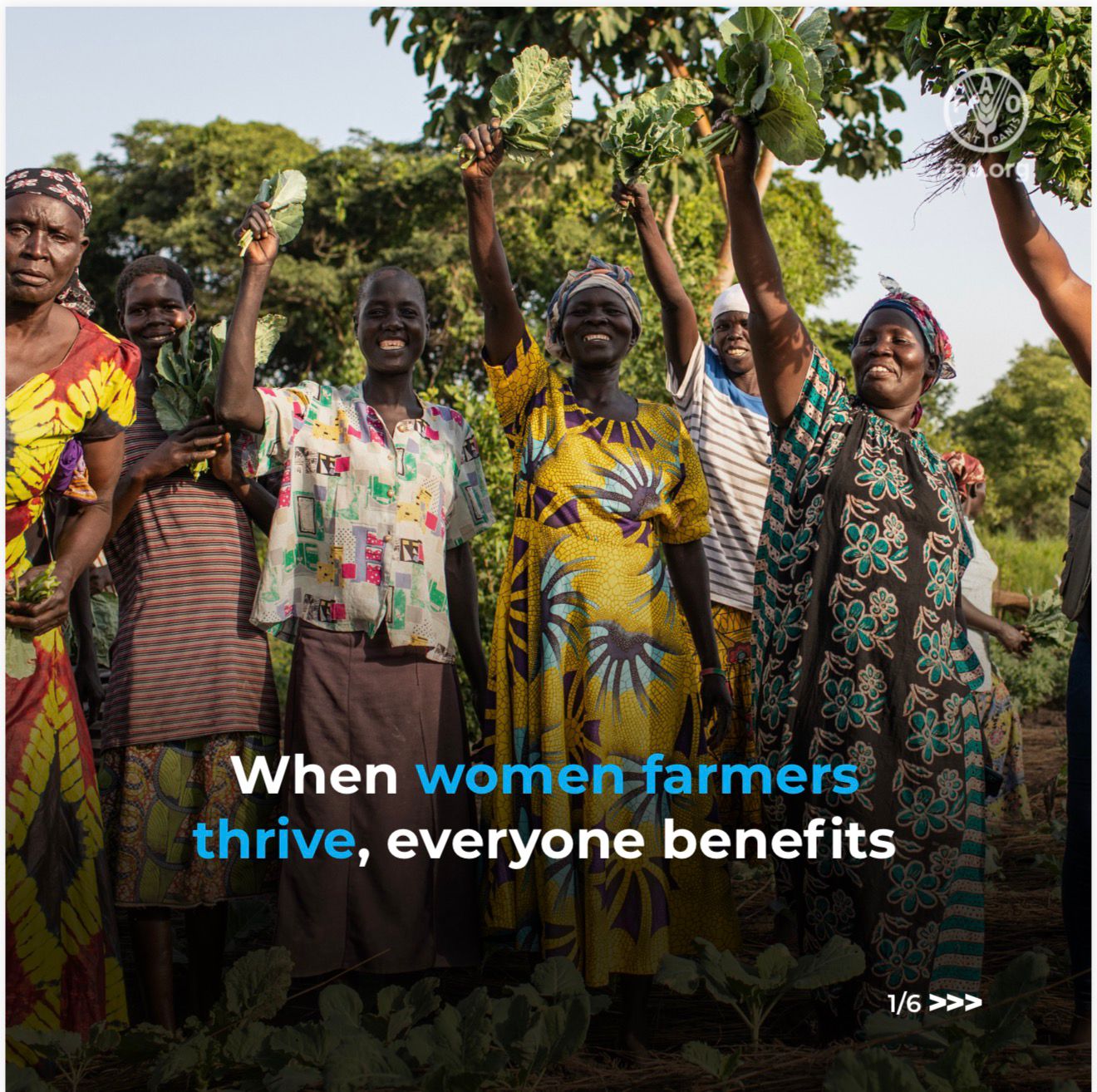
When Women Farmers Thrive, Everyone Benefits
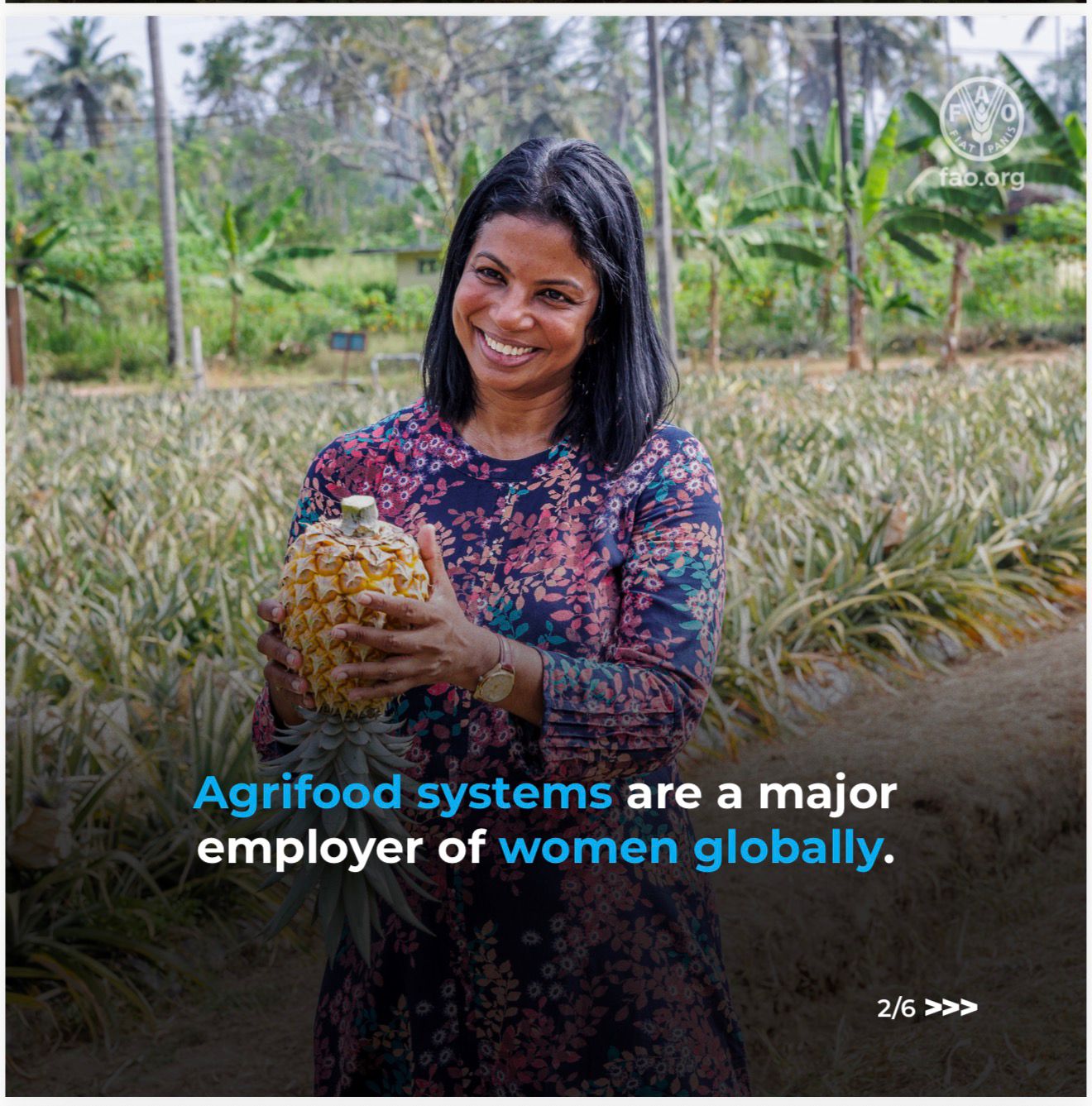
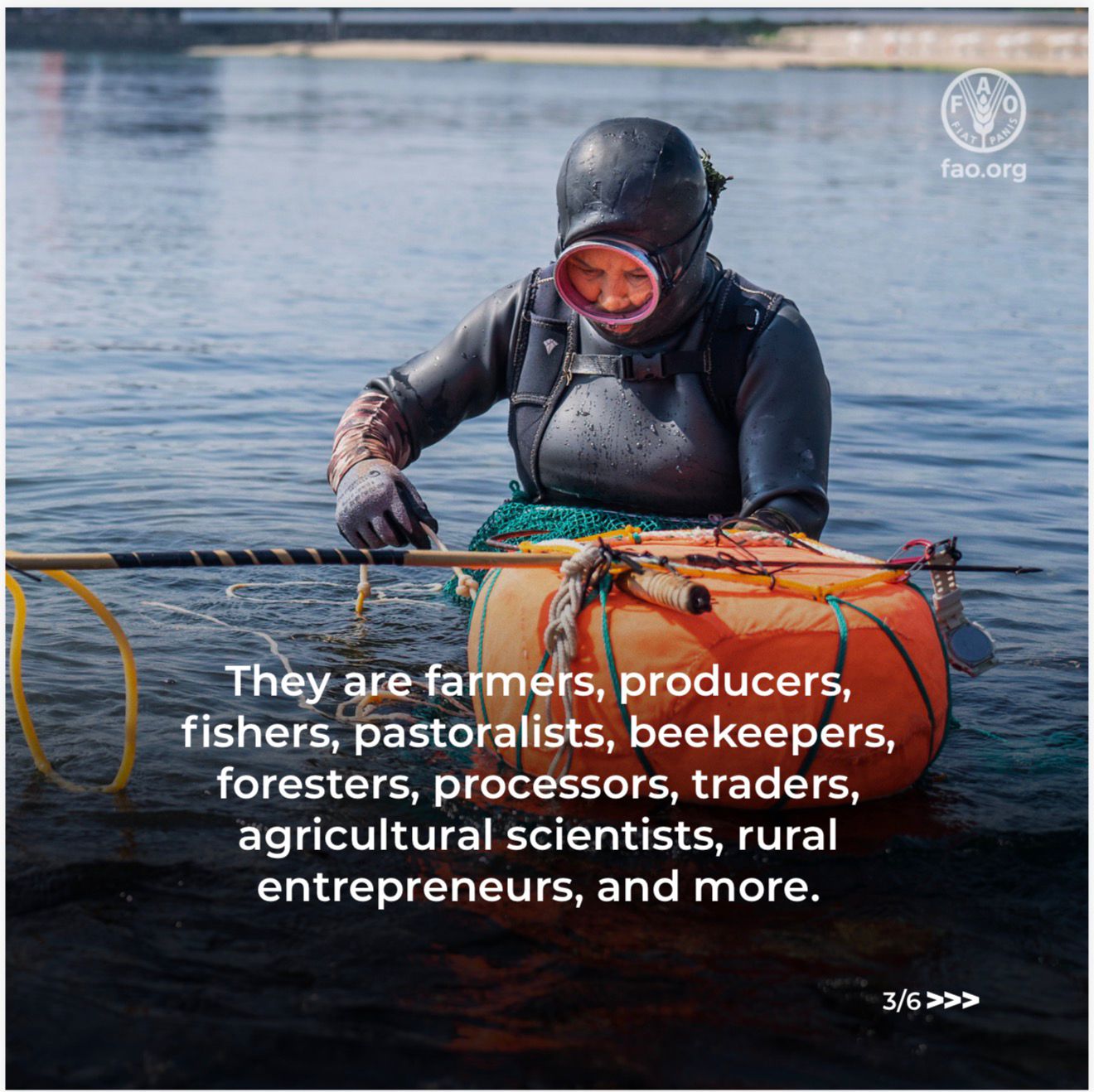
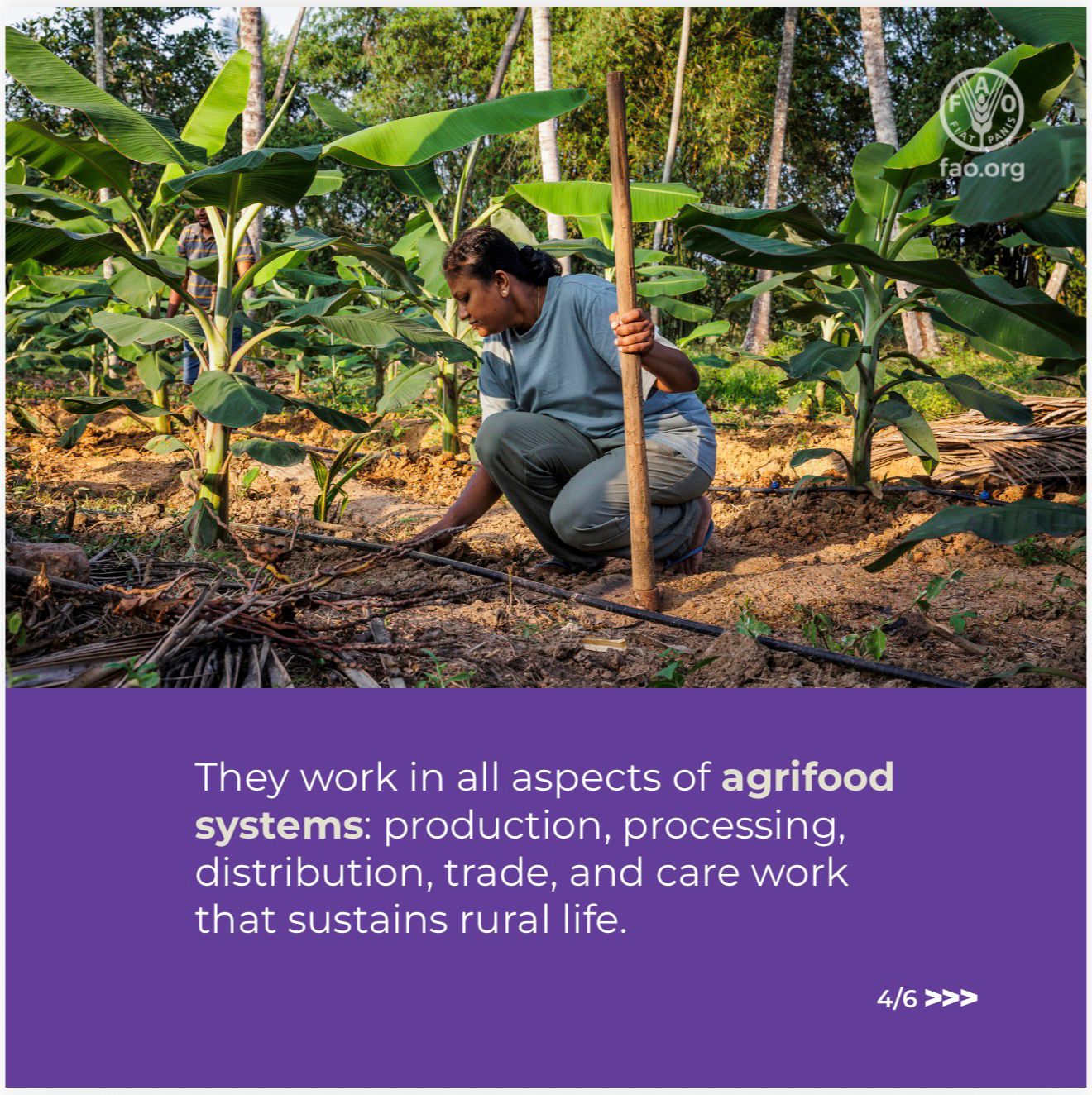
Women play a vital role across global agrifood systems as farmers, producers, fishers, pastoralists, beekeepers, foresters, processors, traders, scientists, and rural entrepreneurs. Their work supports food production, strengthens communities, and contributes significantly to local and global economies.
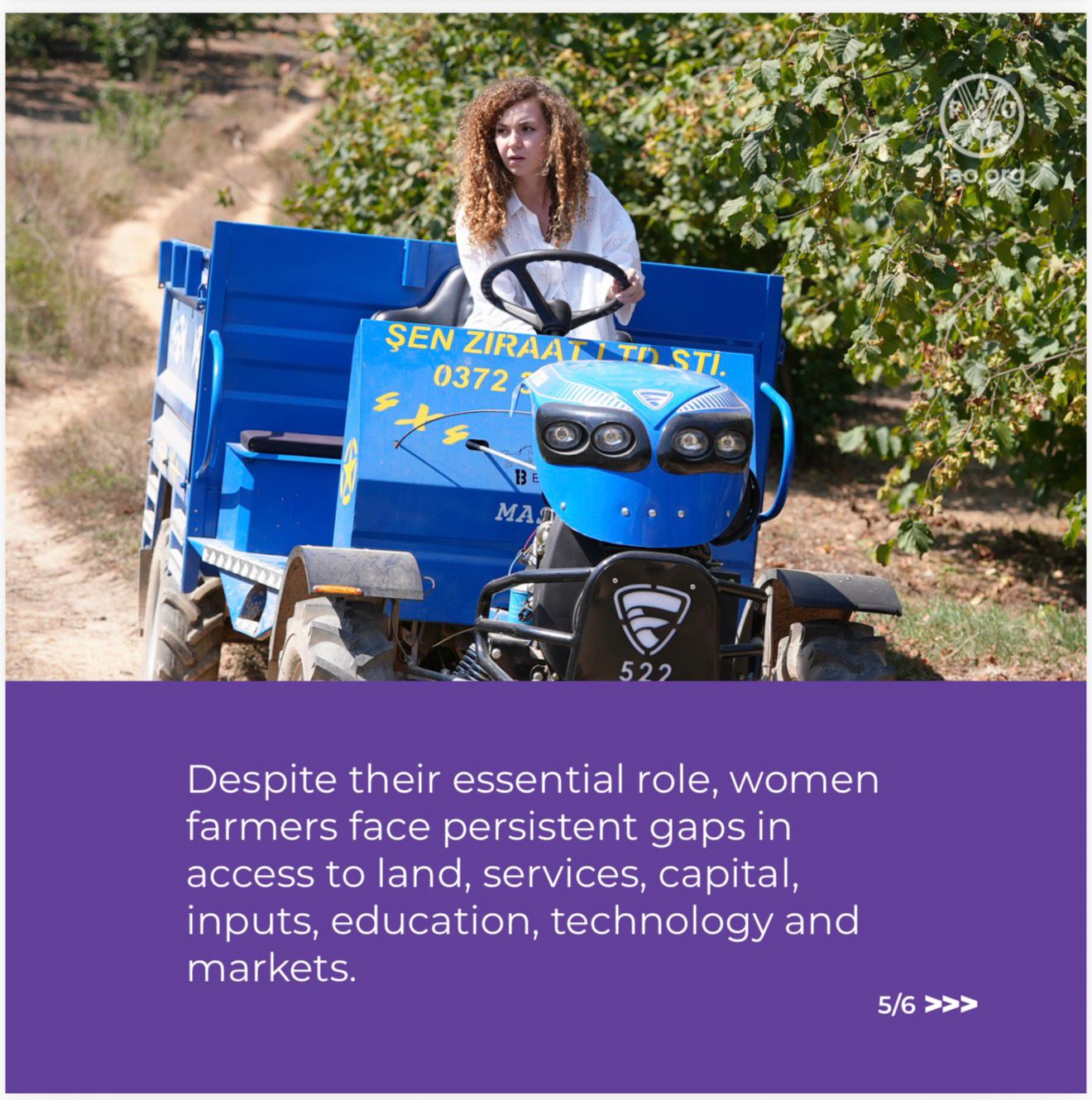
Despite their essential role, women farmers often face persistent barriers in accessing land, financial services, technology, education, and other key resources. Addressing these inequalities is essential to building more inclusive, resilient, and sustainable agrifood systems worldwide.
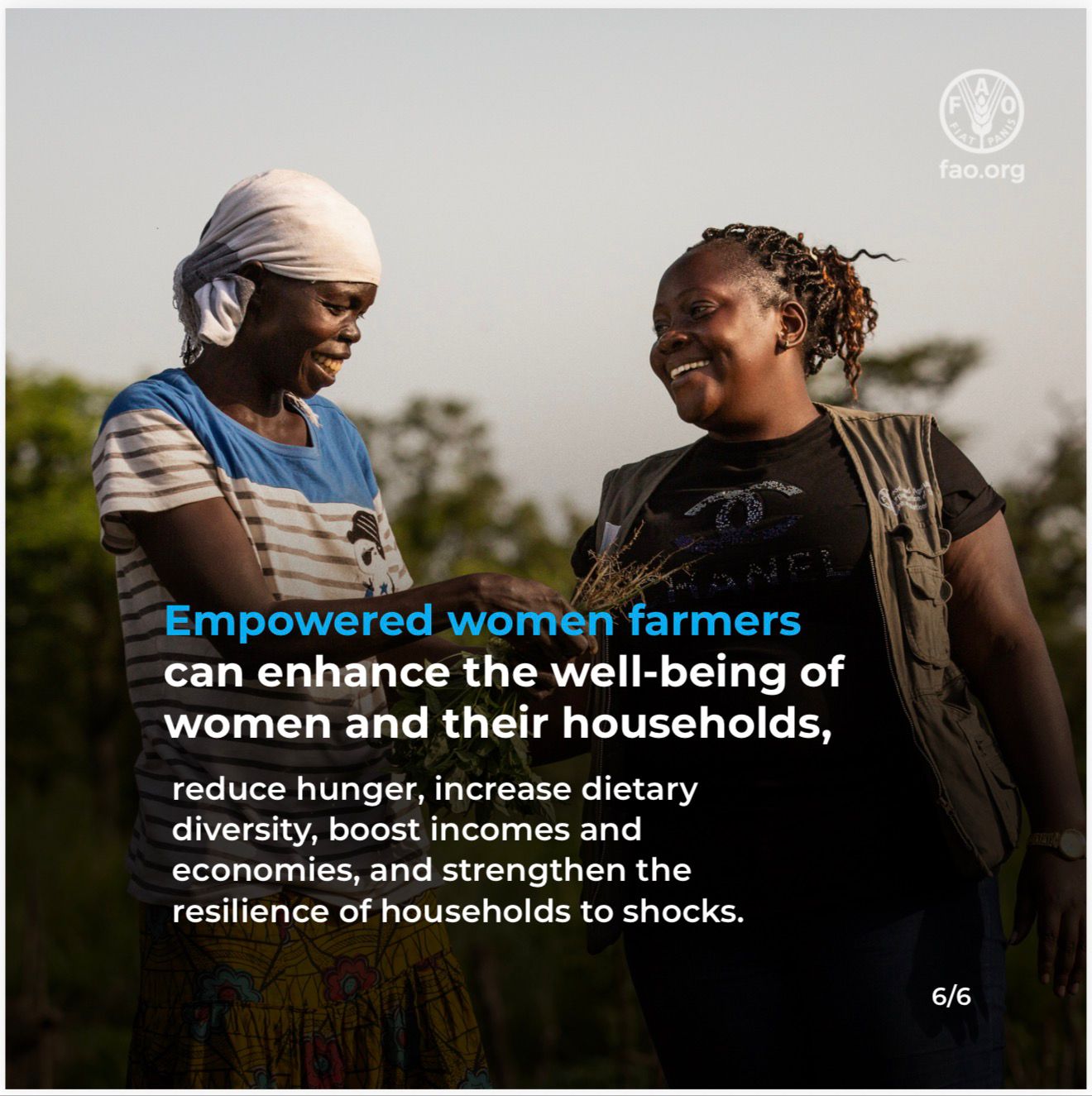
The following resource, developed by the Food and Agriculture Organization of the United Nations (FAO), highlights how empowering women in agriculture can reduce hunger, improve nutrition, strengthen rural livelihoods, and enhance the resilience of families and communities.